From medieval stronghold to living cathedral
At Sé do Porto, every arch, chapel, and courtyard reveals a chapter in the long biography of the city.
Table of Contents
Origins of the cathedral hill
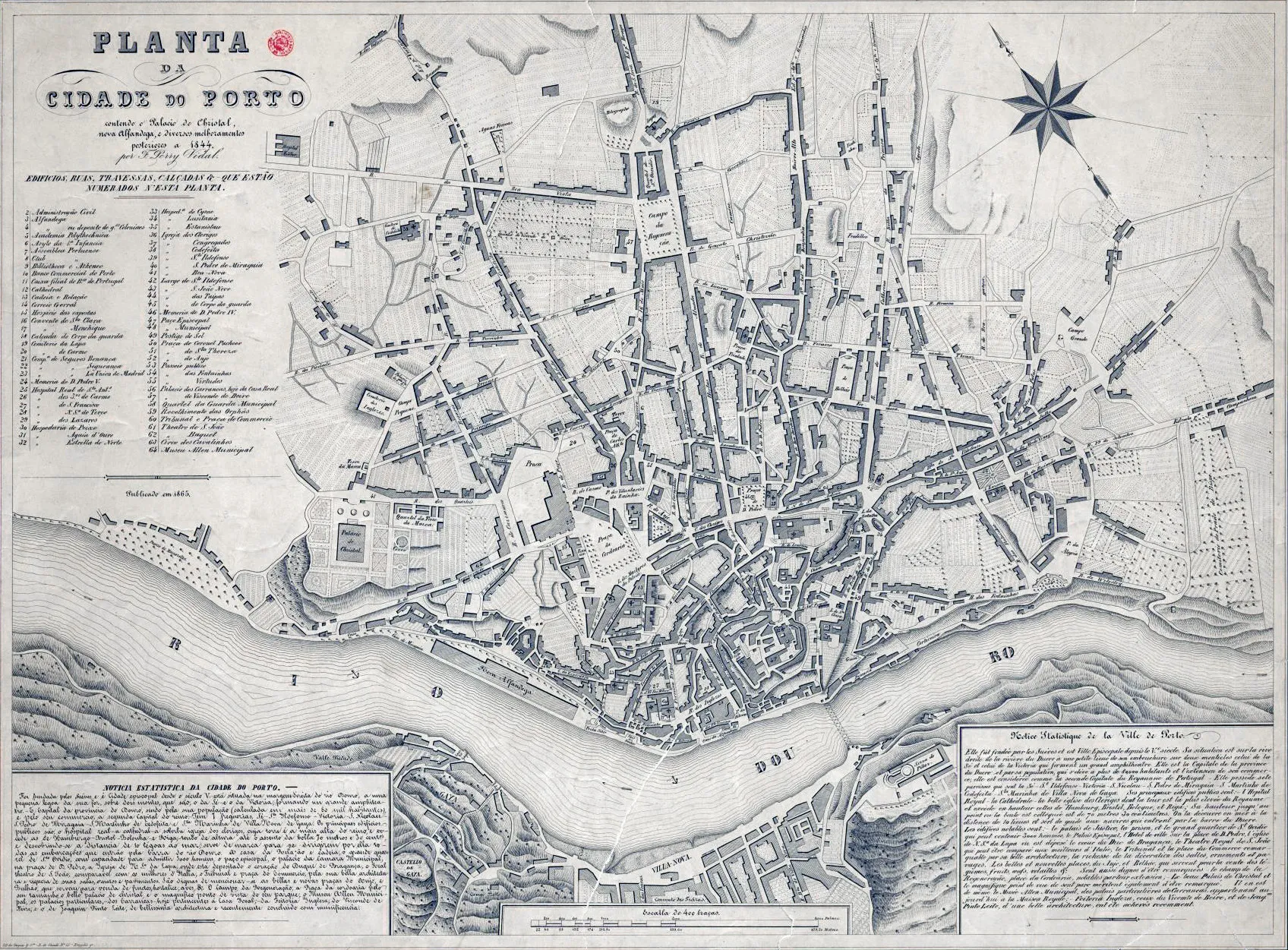
Long before Porto became one of Europe’s most beloved city breaks, the elevated ground where the cathedral now stands was already strategically precious. This hill watched over crossings, trade movement, and the fragile boundary between settled urban life and exposed terrain beyond early defenses. In medieval logic, height meant vision, and vision meant survival: from here, one could read the rhythm of arrivals and departures, control access routes, and anchor authority over a growing settlement by the river.
As Porto expanded from a compact nucleus into a layered mercantile city, the cathedral hill remained more than a religious location; it acted as a civic compass point. Even today, when visitors stand in Terreiro da Sé and look across rooftops toward the Douro, they are occupying a place where geography, governance, and spiritual life once converged with remarkable intensity. The sensation is immediate and almost cinematic: one step in the square, and centuries seem to fold together.
Romanesque foundations and early power
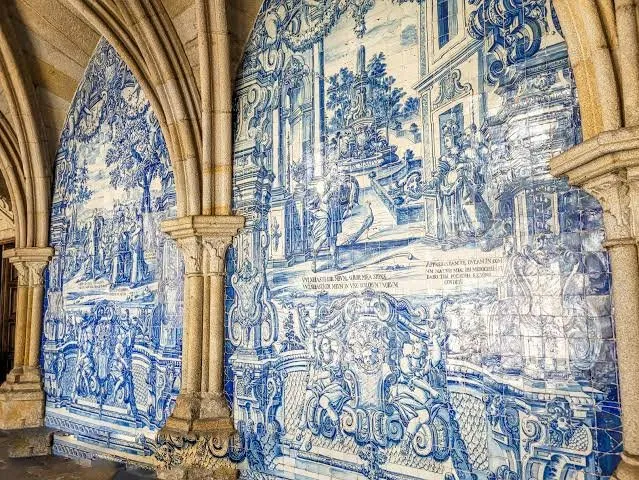
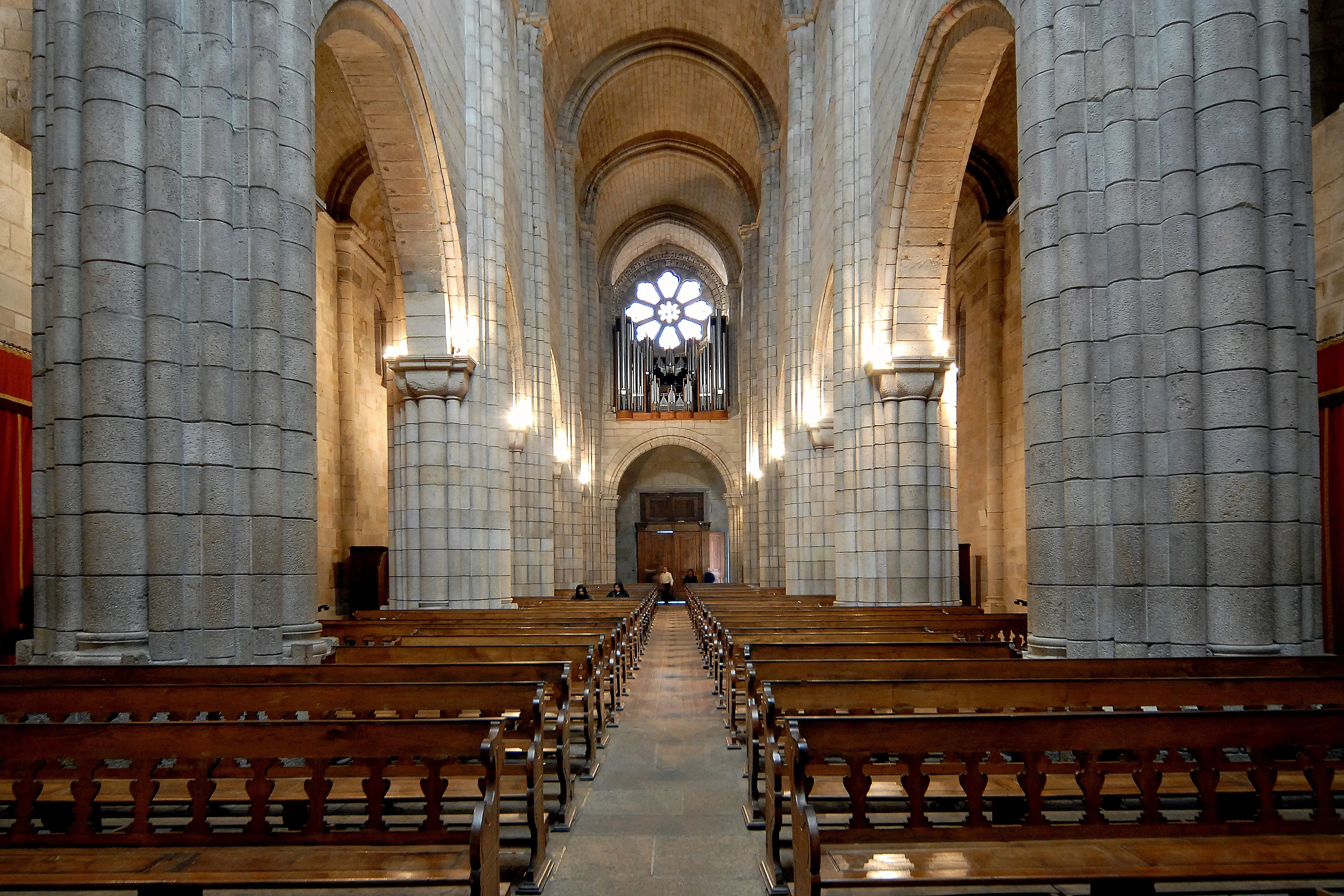
Porto Cathedral’s oldest architectural language is Romanesque: robust, disciplined, and intentionally protective in mood. Thick walls, restrained openings, and heavy structural lines convey permanence rather than ornament. This was architecture as declaration: the Church’s institutional endurance expressed in stone, at a time when political uncertainty and territorial disputes demanded visible symbols of order.
The cathedral’s fortified appearance is not merely aesthetic nostalgia; it reflects a medieval world where sacred spaces were also places of strategic and communal importance. To modern eyes, this creates a compelling emotional effect. Unlike later churches built for theatrical lightness, Sé do Porto first introduces itself as steadfast and grounded, and only then reveals its subtler layers. That sequence is part of its personality and explains why so many visitors describe their first impression as unexpectedly powerful.
Gothic transformations and devotion
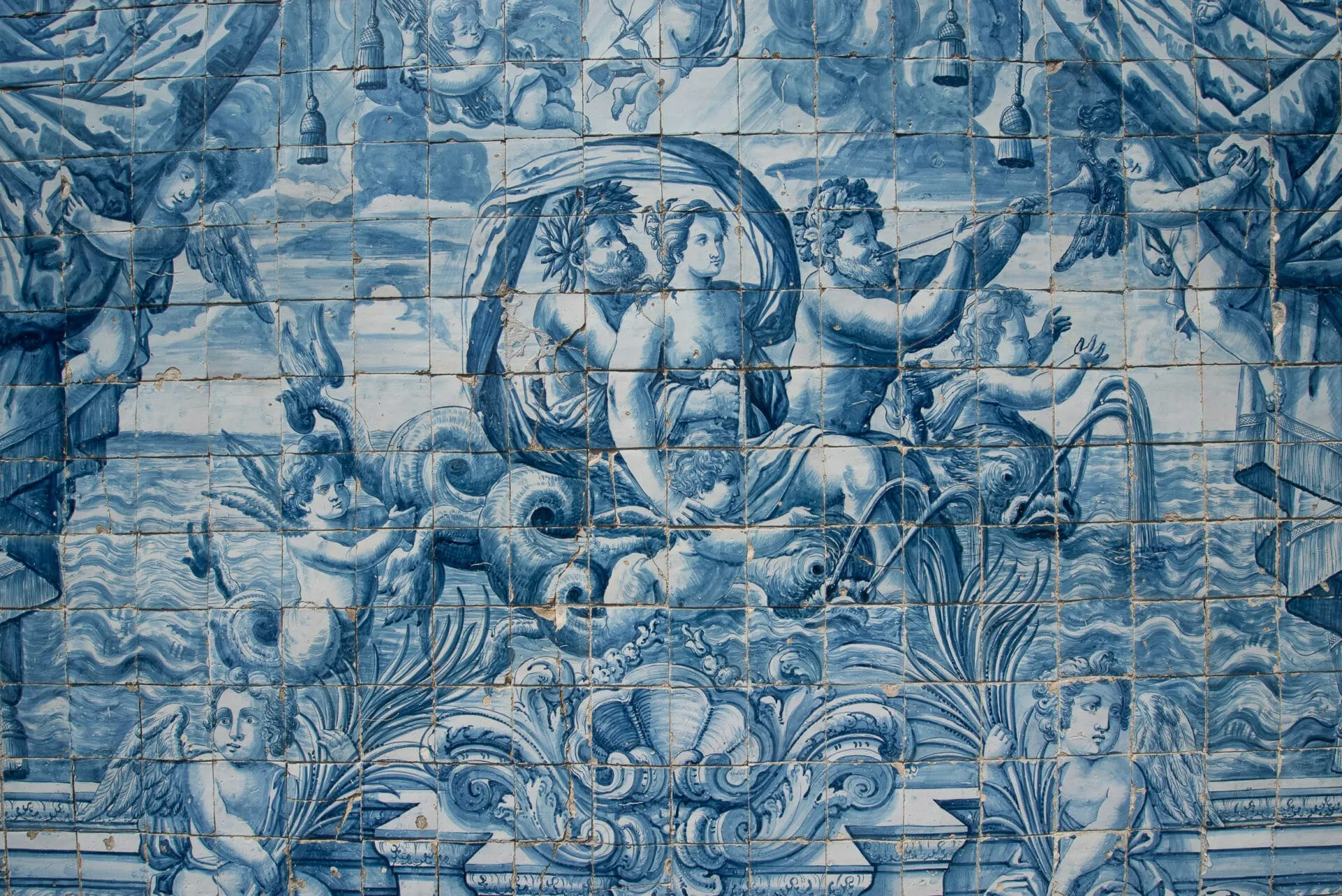
As centuries passed, Gothic interventions reshaped portions of the cathedral, introducing new spatial dynamics and devotional emphasis. Where Romanesque structure offered solidity, Gothic additions brought vertical aspiration and refined detail, reflecting evolving liturgical habits and artistic sensibilities. The result is not a clean stylistic replacement but a layered conversation between eras.
This coexistence of styles is one of Sé do Porto’s greatest strengths. Instead of presenting a frozen monument from a single historical moment, it reveals continuous adaptation: clergy, patrons, and artisans each leaving traces without erasing what came before. For visitors, this makes the cathedral unusually readable as historical process rather than static artifact—a place shaped by time, not merely preserved by it.
Cloisters, tiles, and sacred storytelling
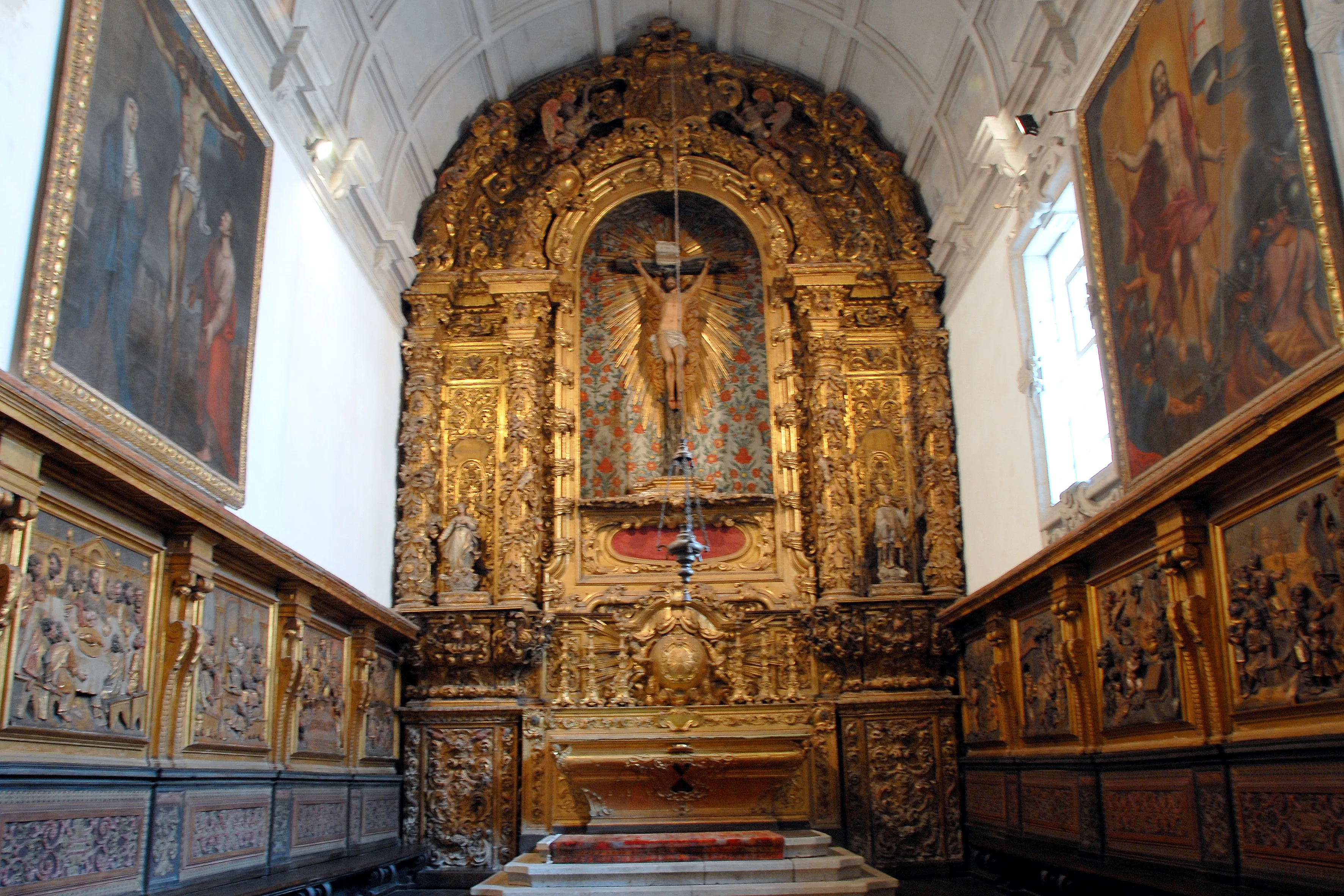
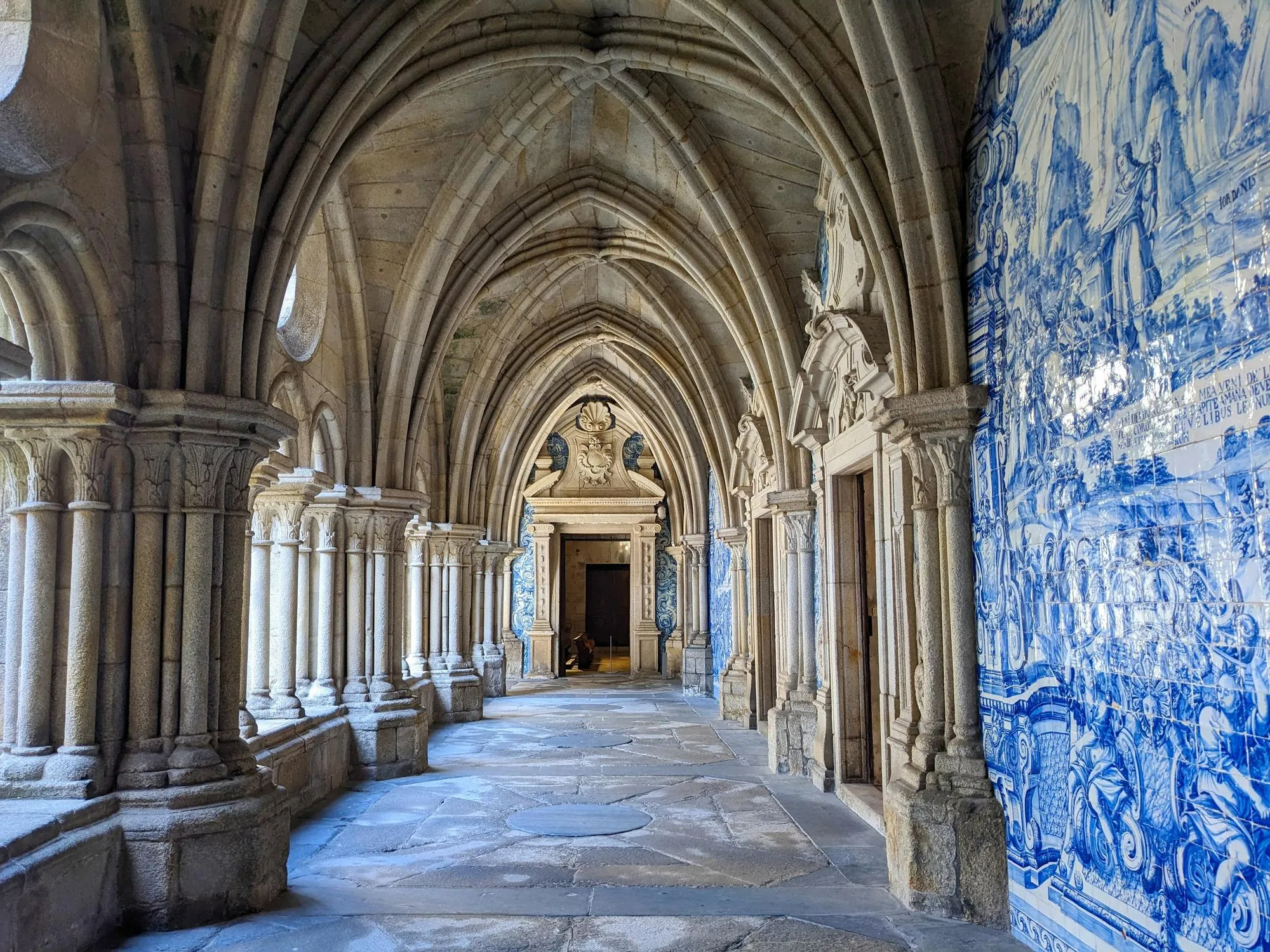
The cloister introduces a quieter emotional register: enclosed yet luminous, disciplined yet poetic. Here, the rhythm of arches guides your movement while azulejo panels narrate episodes in richly visual form. The blue-and-white palette is instantly recognizable as Portuguese, and within the cathedral context it becomes more than decoration—it functions as memory in ceramic form.
Many visitors arrive expecting only a monumental church and leave enchanted by this cloistered world. Light shifts across tile surfaces throughout the day, creating subtle theatricality without spectacle. If you pause for a few minutes in silence, you begin to sense what made such spaces essential: they invited reflection, instruction, and continuity, binding devotion to craftsmanship in a way that still feels profoundly contemporary.
Porto’s bishops, nobility, and city life
For centuries, the cathedral stood at the intersection of religious authority and urban governance. Bishops held not only spiritual influence but also social and political weight, and the precinct around Sé became a stage for negotiations, ceremonies, and public visibility. In this sense, the cathedral was never isolated from civic life; it was one of its engines.
Noble patronage, ecclesiastical commissions, and local craftsmanship all contributed to the cathedral’s evolution. Each intervention reflected a moment in Porto’s broader trajectory—its ambitions, anxieties, and identity shifts. Walking the site today, you are not just observing sacred architecture; you are reading evidence of how institutions and communities co-produced the city over generations.
The cathedral and the birth of Portugal
Sé do Porto is deeply tied to early Portuguese state formation and dynastic narrative. Porto itself played crucial roles in medieval political developments, and the cathedral emerged as one of the spaces where legitimacy, ceremony, and continuity were materially expressed. While history is always more complex than a single monument can tell, the cathedral remains one of the clearest anchors for understanding Porto’s national significance.
Visitors often sense this weight intuitively, even before reading a single panel: the scale, placement, and composure of the building suggest a site accustomed to major turning points. To stand here is to stand close to the institutional memory of a country in formation, where local and national stories were repeatedly braided together.
From medieval walls to modern avenues
The neighborhoods below the cathedral preserve traces of old defensive logic, medieval parceling, and later urban adaptation. As Porto modernized, new infrastructure and commercial arteries reshaped movement patterns, yet the cathedral hill retained symbolic centrality. It remained visible, legible, and emotionally present—even as trams, boulevards, and modern life transformed the city’s tempo.
This continuity is part of what makes Porto so compelling. The city does not hide its age beneath polished uniformity; it allows historical textures to coexist with contemporary routines. From Sé, that coexistence is especially clear: cranes and restoration works in one direction, centuries-old stone and devotional silence in another.
Art, liturgy, and everyday faith
Porto Cathedral is not only a heritage site; it is also an active religious space. This dual identity matters. You may encounter tourists with cameras alongside locals attending prayer, lighting candles, or passing through quietly on a routine visit. Respectful behavior keeps this balance healthy and preserves the cathedral’s living character.
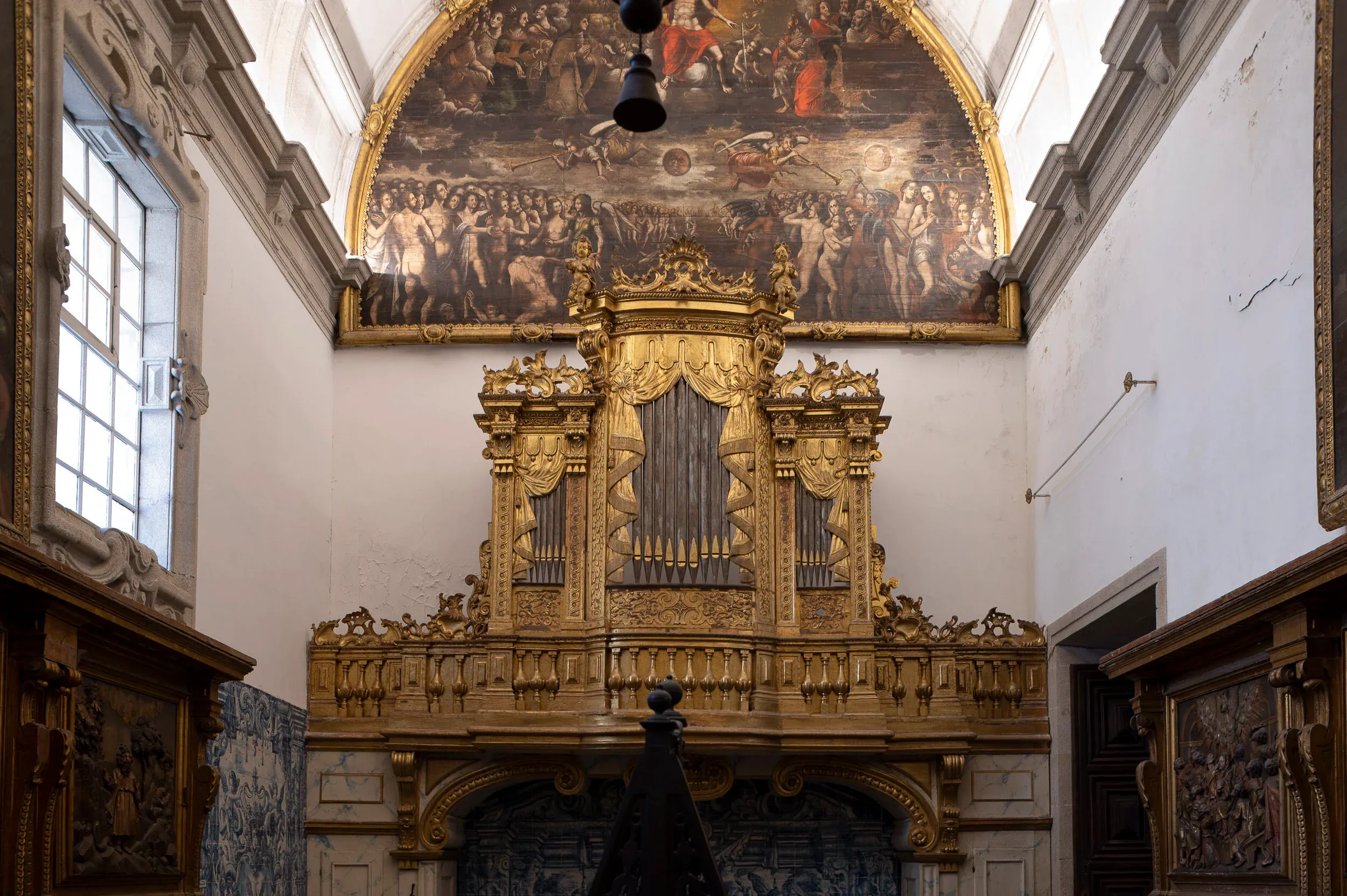
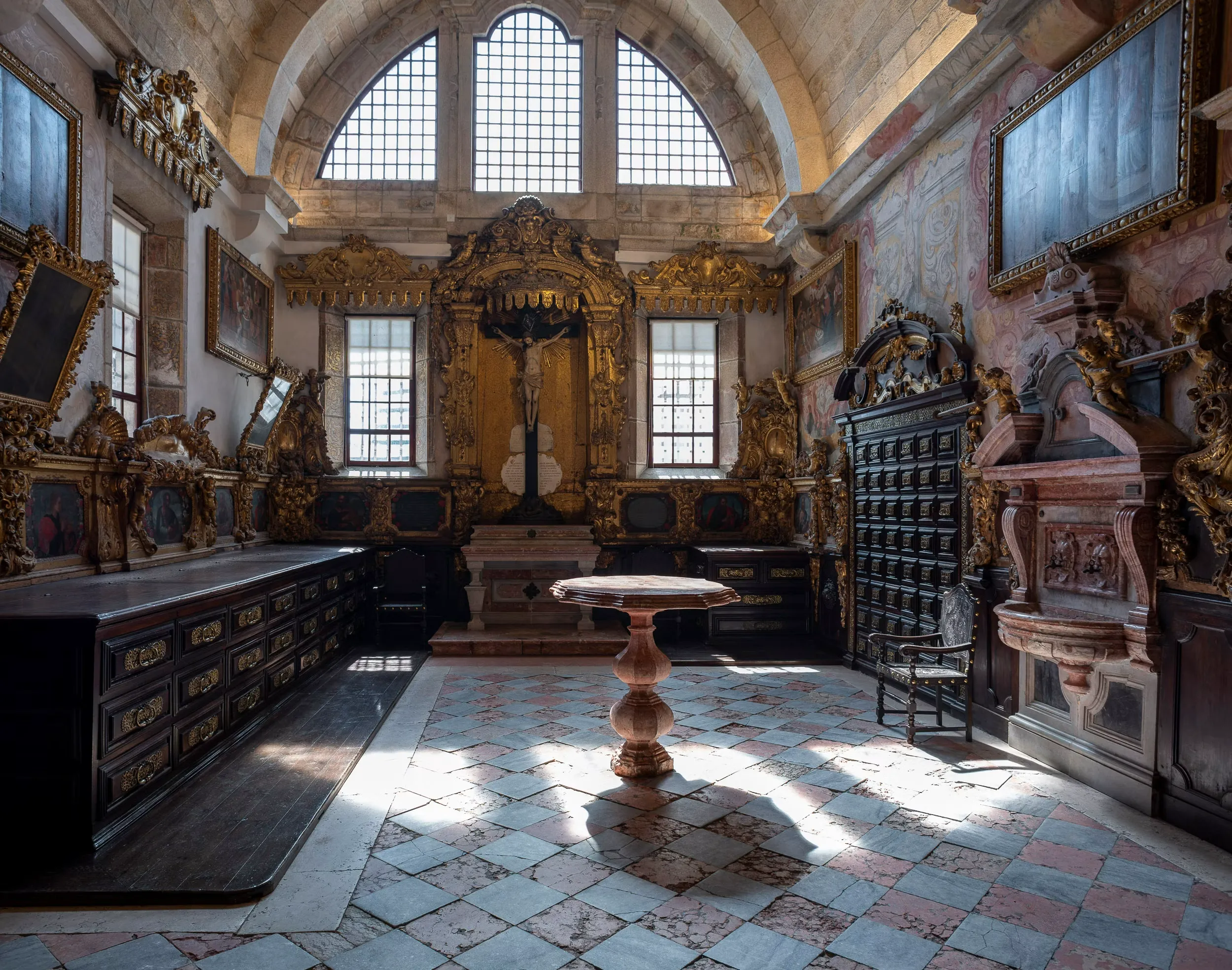
Artistically, the cathedral rewards close attention to details often missed in rushed itineraries: carved capitals, chapel iconography, liturgical objects, and material transitions between construction phases. If you approach it as both museum and sanctuary, the experience becomes fuller, gentler, and more meaningful.
Festivals, processions, and local memory
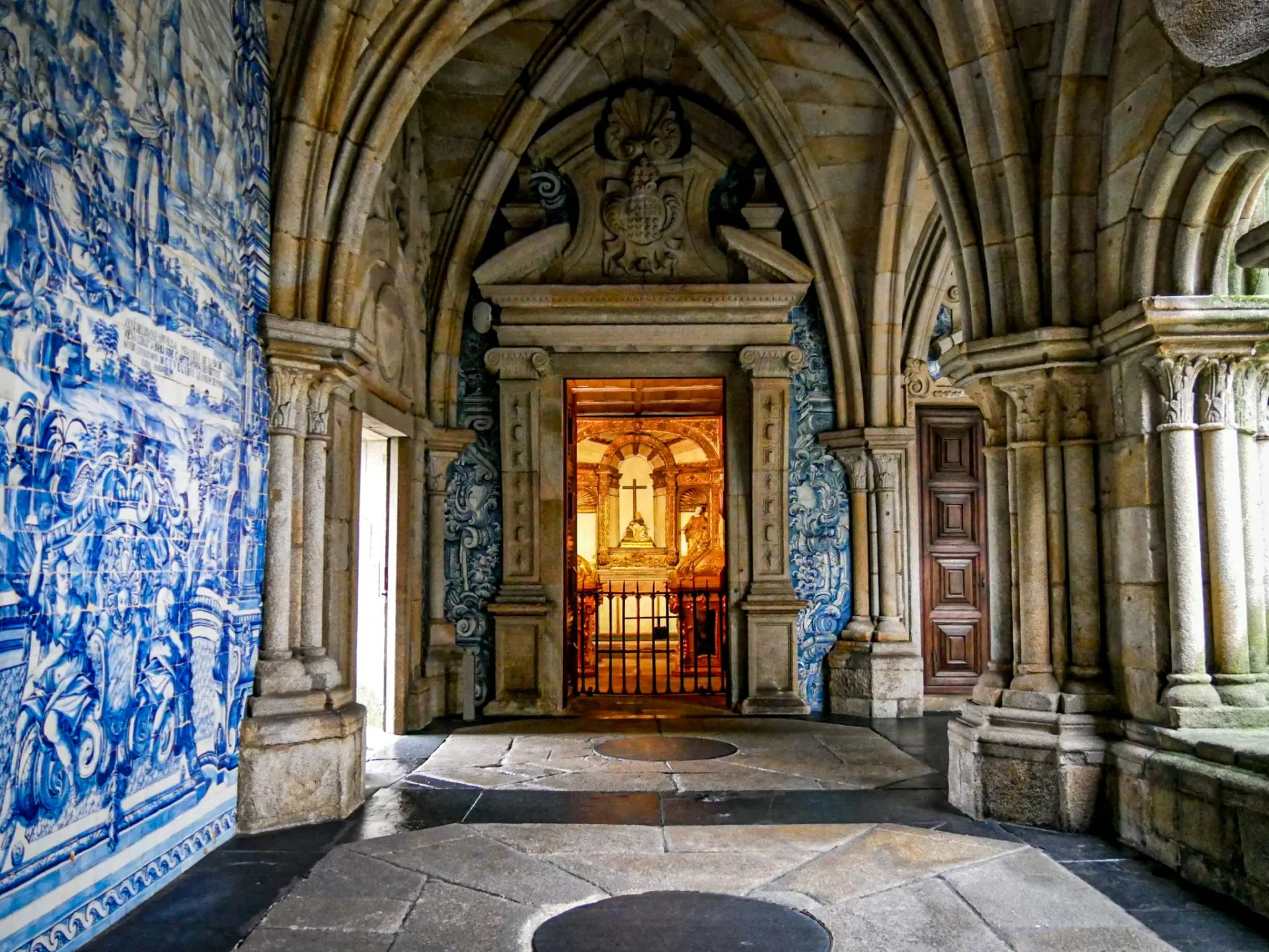
Throughout the year, Porto’s religious and civic calendar gives additional texture to the cathedral’s surroundings. Feast days, liturgical celebrations, and city traditions can change the mood of Terreiro da Sé, sometimes making it solemn, sometimes festive, always deeply local. These moments remind visitors that heritage here is not purely retrospective—it is enacted in the present.
Even outside major dates, small rituals persist: candles lit in side chapels, flowers left quietly, familiar gestures repeated across generations. For travelers, noticing these gestures can be as memorable as any grand architectural feature. They reveal how monuments endure not only through stone conservation but through lived habits of care.
How to visit with historical context
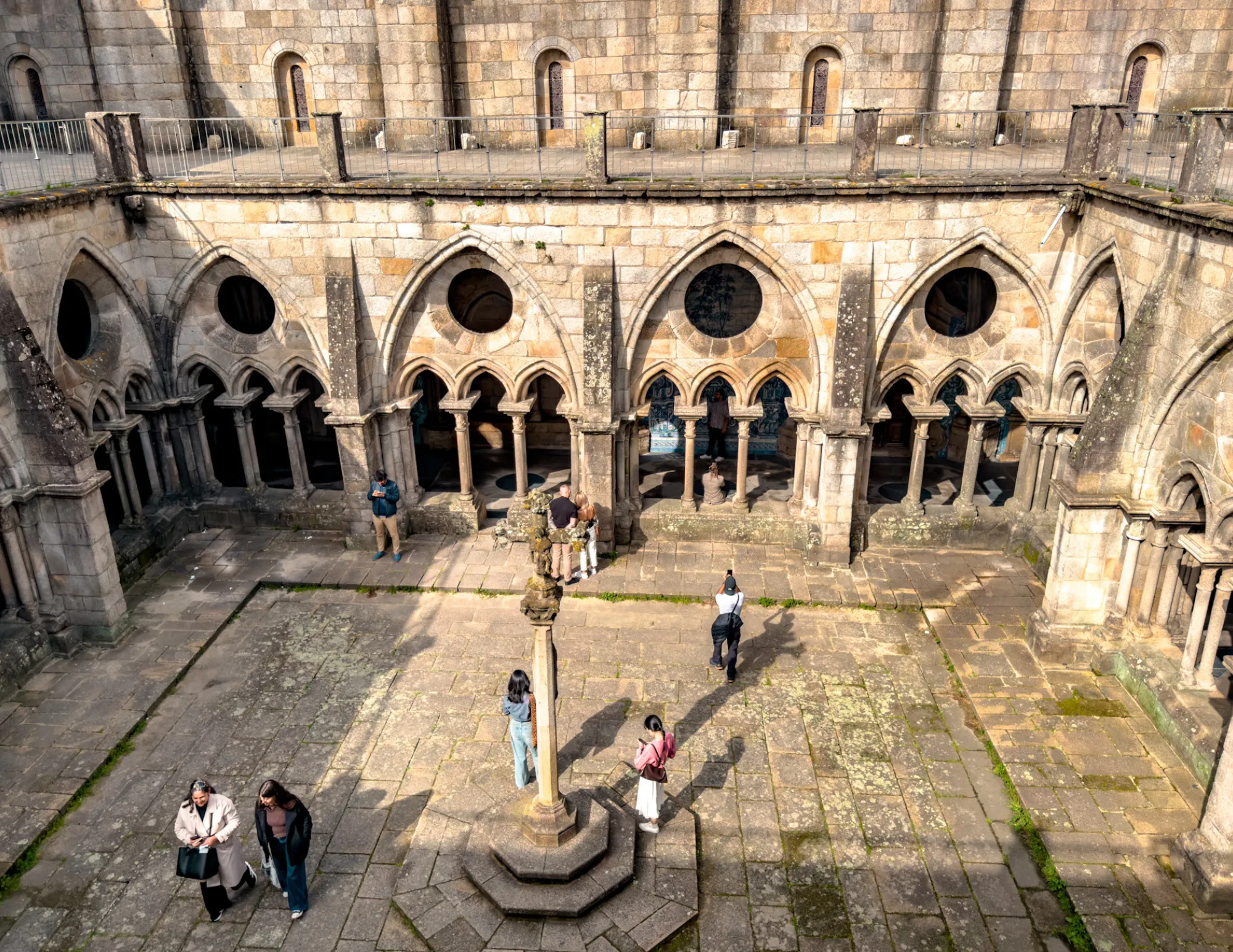
A thoughtful visit to Porto Cathedral is less about speed and more about sequencing. Start with exterior viewpoints to understand the cathedral’s urban role, then enter the main church to absorb the Romanesque foundation. Continue to the cloister for visual narrative and atmosphere, and finish by stepping back into the square to reconnect monument and cityscape.
If possible, pair your visit with nearby sites that deepen historical continuity: São Bento’s tile cycles, the medieval street network toward Ribeira, and viewpoints near the bridge axis. Together, these places form a coherent story about Porto’s spiritual, commercial, and civic development. In practical terms, this approach makes your day both richer and less rushed.
Conservation in a living historic center
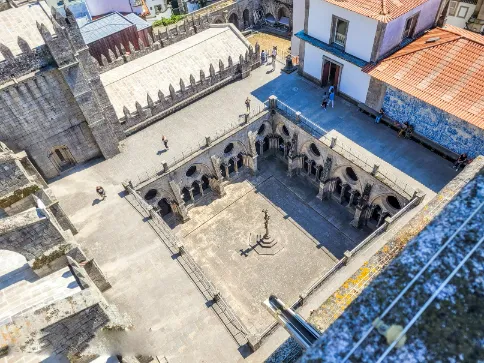
Conserving a monument like Sé do Porto is an ongoing, technically complex task. Stone erosion, humidity, urban pressure, and visitor volume all require careful monitoring. Restoration teams must preserve authenticity while ensuring structural safety and public access, often balancing urgent needs with long-term stewardship strategies.
Visitors contribute to conservation more than they might imagine. Choosing official channels, following on-site guidelines, avoiding physical contact with fragile surfaces, and supporting heritage institutions all matter. In this sense, every respectful visit becomes a small partnership in keeping Porto’s historical memory alive for future generations.
Nearby routes and panoramic viewpoints
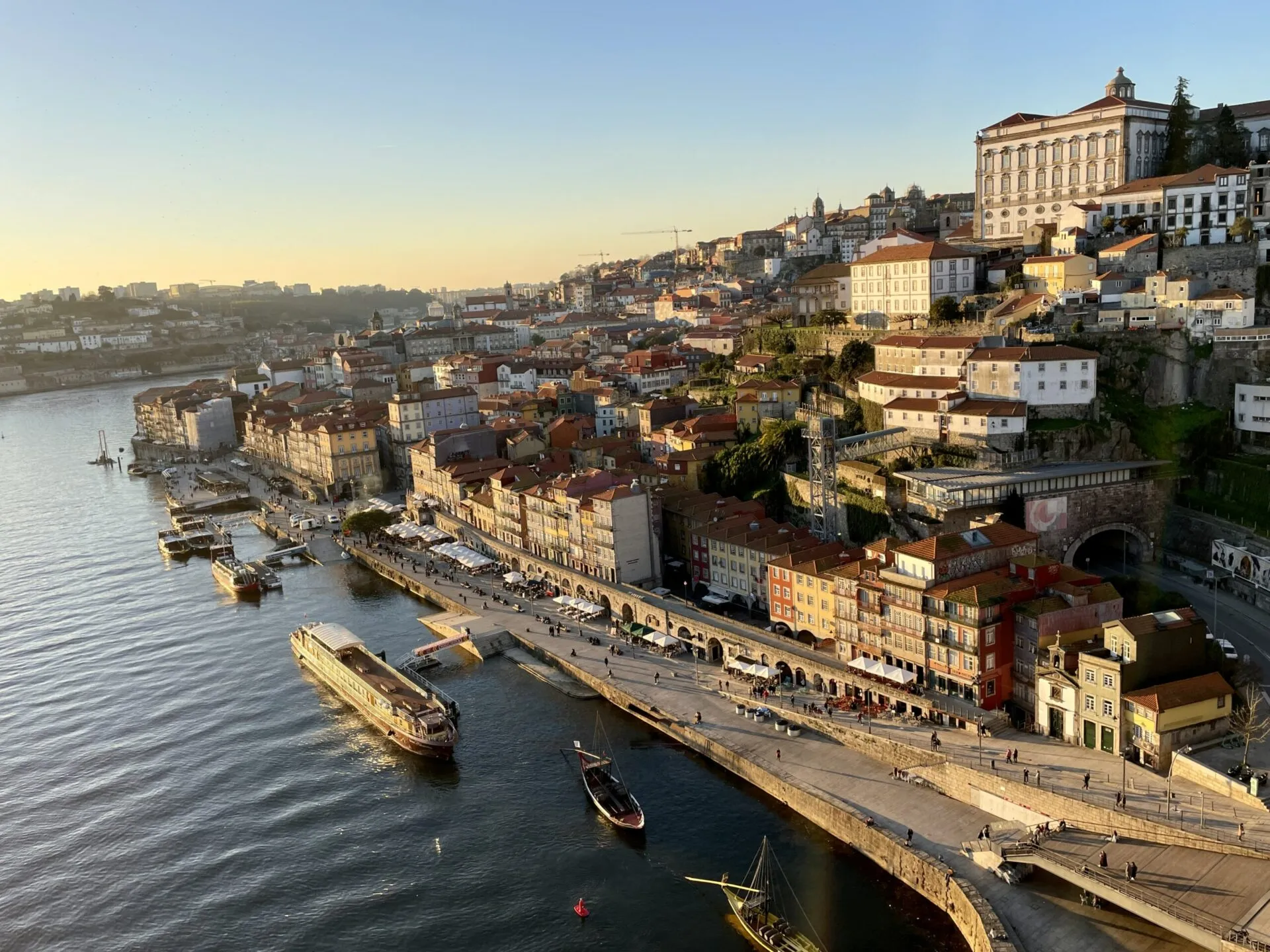
After your cathedral visit, the surrounding area offers one of Porto’s best short walking circuits. Descend toward São Bento for iconic azulejos, continue to Ribeira for riverfront atmosphere, or cross toward viewpoints that frame the city’s layered roofscape and bridge silhouettes. Each route reveals a different face of Porto’s character.
For photography lovers, late afternoon light can be magical around the cathedral hill, when warm tones soften stone textures and the Douro valley glows in the distance. For culture-focused visitors, nearby churches, small museums, and artisan shops make it easy to extend the day without leaving the historic core.
Why Sé do Porto still defines the city
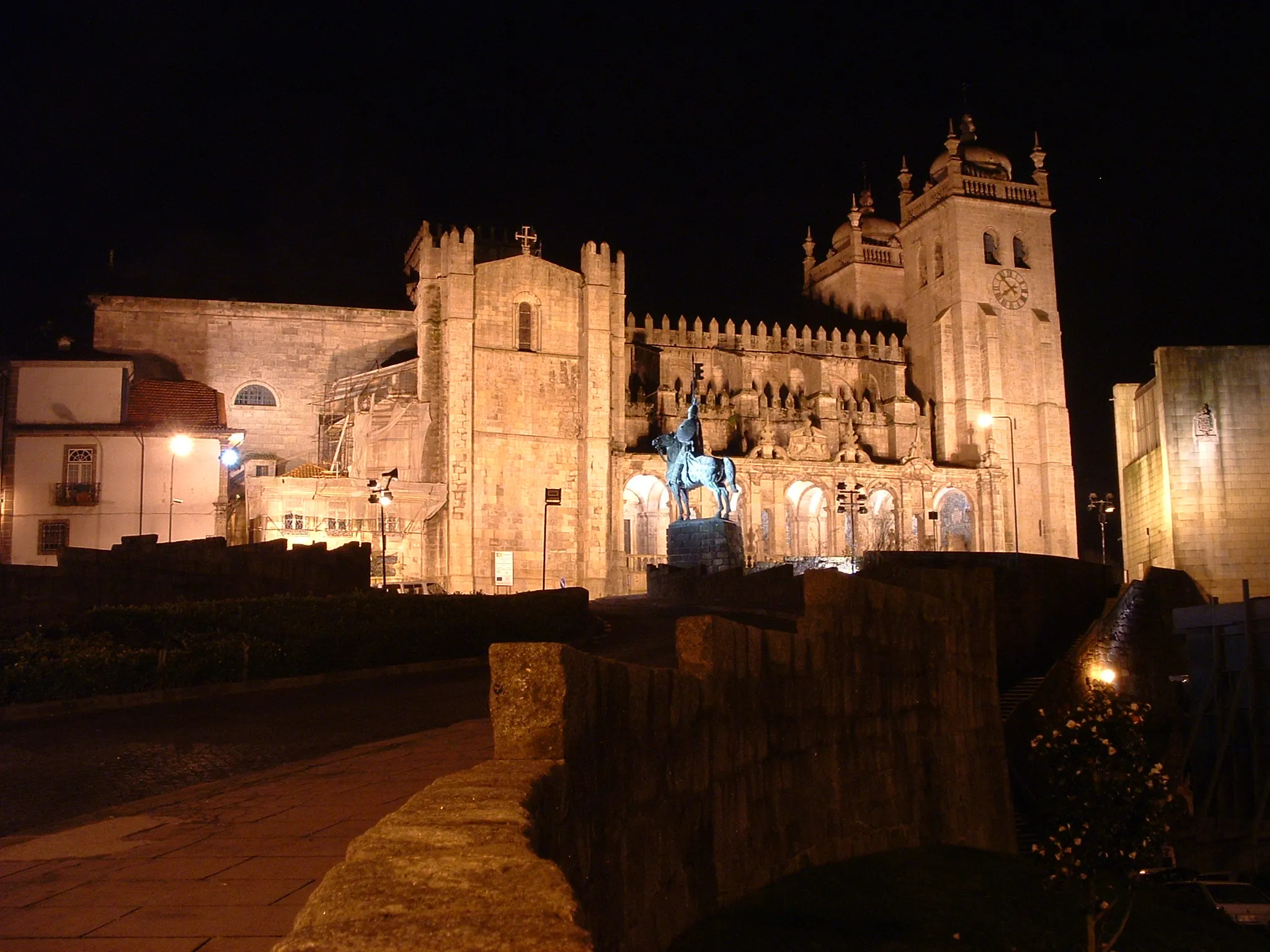
Many landmarks are beautiful; fewer become symbolic frameworks through which a city understands itself. Porto Cathedral does exactly that. It anchors geography, condenses history, and holds together multiple identities—Romanesque and Gothic, sacred and civic, monumental and intimate. When people speak about Porto’s authenticity, they often describe emotions first, and those emotions are deeply connected to places like this.
By the end of your visit, Sé do Porto often stays with you not just as an attraction but as a reference point. The city’s streets make more sense, its timeline feels less abstract, and even everyday scenes below the hill seem to belong to a longer narrative. That is the cathedral’s quiet power: it turns sightseeing into understanding, and a short stop into lasting memory.
Table of Contents
Origins of the cathedral hill
Long before Porto became one of Europe’s most beloved city breaks, the elevated ground where the cathedral now stands was already strategically precious. This hill watched over crossings, trade movement, and the fragile boundary between settled urban life and exposed terrain beyond early defenses. In medieval logic, height meant vision, and vision meant survival: from here, one could read the rhythm of arrivals and departures, control access routes, and anchor authority over a growing settlement by the river.
As Porto expanded from a compact nucleus into a layered mercantile city, the cathedral hill remained more than a religious location; it acted as a civic compass point. Even today, when visitors stand in Terreiro da Sé and look across rooftops toward the Douro, they are occupying a place where geography, governance, and spiritual life once converged with remarkable intensity. The sensation is immediate and almost cinematic: one step in the square, and centuries seem to fold together.
Romanesque foundations and early power
Porto Cathedral’s oldest architectural language is Romanesque: robust, disciplined, and intentionally protective in mood. Thick walls, restrained openings, and heavy structural lines convey permanence rather than ornament. This was architecture as declaration: the Church’s institutional endurance expressed in stone, at a time when political uncertainty and territorial disputes demanded visible symbols of order.
The cathedral’s fortified appearance is not merely aesthetic nostalgia; it reflects a medieval world where sacred spaces were also places of strategic and communal importance. To modern eyes, this creates a compelling emotional effect. Unlike later churches built for theatrical lightness, Sé do Porto first introduces itself as steadfast and grounded, and only then reveals its subtler layers. That sequence is part of its personality and explains why so many visitors describe their first impression as unexpectedly powerful.
Gothic transformations and devotion
As centuries passed, Gothic interventions reshaped portions of the cathedral, introducing new spatial dynamics and devotional emphasis. Where Romanesque structure offered solidity, Gothic additions brought vertical aspiration and refined detail, reflecting evolving liturgical habits and artistic sensibilities. The result is not a clean stylistic replacement but a layered conversation between eras.
This coexistence of styles is one of Sé do Porto’s greatest strengths. Instead of presenting a frozen monument from a single historical moment, it reveals continuous adaptation: clergy, patrons, and artisans each leaving traces without erasing what came before. For visitors, this makes the cathedral unusually readable as historical process rather than static artifact—a place shaped by time, not merely preserved by it.
Cloisters, tiles, and sacred storytelling
The cloister introduces a quieter emotional register: enclosed yet luminous, disciplined yet poetic. Here, the rhythm of arches guides your movement while azulejo panels narrate episodes in richly visual form. The blue-and-white palette is instantly recognizable as Portuguese, and within the cathedral context it becomes more than decoration—it functions as memory in ceramic form.
Many visitors arrive expecting only a monumental church and leave enchanted by this cloistered world. Light shifts across tile surfaces throughout the day, creating subtle theatricality without spectacle. If you pause for a few minutes in silence, you begin to sense what made such spaces essential: they invited reflection, instruction, and continuity, binding devotion to craftsmanship in a way that still feels profoundly contemporary.
Porto’s bishops, nobility, and city life
For centuries, the cathedral stood at the intersection of religious authority and urban governance. Bishops held not only spiritual influence but also social and political weight, and the precinct around Sé became a stage for negotiations, ceremonies, and public visibility. In this sense, the cathedral was never isolated from civic life; it was one of its engines.
Noble patronage, ecclesiastical commissions, and local craftsmanship all contributed to the cathedral’s evolution. Each intervention reflected a moment in Porto’s broader trajectory—its ambitions, anxieties, and identity shifts. Walking the site today, you are not just observing sacred architecture; you are reading evidence of how institutions and communities co-produced the city over generations.
The cathedral and the birth of Portugal
Sé do Porto is deeply tied to early Portuguese state formation and dynastic narrative. Porto itself played crucial roles in medieval political developments, and the cathedral emerged as one of the spaces where legitimacy, ceremony, and continuity were materially expressed. While history is always more complex than a single monument can tell, the cathedral remains one of the clearest anchors for understanding Porto’s national significance.
Visitors often sense this weight intuitively, even before reading a single panel: the scale, placement, and composure of the building suggest a site accustomed to major turning points. To stand here is to stand close to the institutional memory of a country in formation, where local and national stories were repeatedly braided together.
From medieval walls to modern avenues
The neighborhoods below the cathedral preserve traces of old defensive logic, medieval parceling, and later urban adaptation. As Porto modernized, new infrastructure and commercial arteries reshaped movement patterns, yet the cathedral hill retained symbolic centrality. It remained visible, legible, and emotionally present—even as trams, boulevards, and modern life transformed the city’s tempo.
This continuity is part of what makes Porto so compelling. The city does not hide its age beneath polished uniformity; it allows historical textures to coexist with contemporary routines. From Sé, that coexistence is especially clear: cranes and restoration works in one direction, centuries-old stone and devotional silence in another.
Art, liturgy, and everyday faith
Porto Cathedral is not only a heritage site; it is also an active religious space. This dual identity matters. You may encounter tourists with cameras alongside locals attending prayer, lighting candles, or passing through quietly on a routine visit. Respectful behavior keeps this balance healthy and preserves the cathedral’s living character.
Artistically, the cathedral rewards close attention to details often missed in rushed itineraries: carved capitals, chapel iconography, liturgical objects, and material transitions between construction phases. If you approach it as both museum and sanctuary, the experience becomes fuller, gentler, and more meaningful.
Festivals, processions, and local memory
Throughout the year, Porto’s religious and civic calendar gives additional texture to the cathedral’s surroundings. Feast days, liturgical celebrations, and city traditions can change the mood of Terreiro da Sé, sometimes making it solemn, sometimes festive, always deeply local. These moments remind visitors that heritage here is not purely retrospective—it is enacted in the present.
Even outside major dates, small rituals persist: candles lit in side chapels, flowers left quietly, familiar gestures repeated across generations. For travelers, noticing these gestures can be as memorable as any grand architectural feature. They reveal how monuments endure not only through stone conservation but through lived habits of care.
How to visit with historical context
A thoughtful visit to Porto Cathedral is less about speed and more about sequencing. Start with exterior viewpoints to understand the cathedral’s urban role, then enter the main church to absorb the Romanesque foundation. Continue to the cloister for visual narrative and atmosphere, and finish by stepping back into the square to reconnect monument and cityscape.
If possible, pair your visit with nearby sites that deepen historical continuity: São Bento’s tile cycles, the medieval street network toward Ribeira, and viewpoints near the bridge axis. Together, these places form a coherent story about Porto’s spiritual, commercial, and civic development. In practical terms, this approach makes your day both richer and less rushed.
Conservation in a living historic center
Conserving a monument like Sé do Porto is an ongoing, technically complex task. Stone erosion, humidity, urban pressure, and visitor volume all require careful monitoring. Restoration teams must preserve authenticity while ensuring structural safety and public access, often balancing urgent needs with long-term stewardship strategies.
Visitors contribute to conservation more than they might imagine. Choosing official channels, following on-site guidelines, avoiding physical contact with fragile surfaces, and supporting heritage institutions all matter. In this sense, every respectful visit becomes a small partnership in keeping Porto’s historical memory alive for future generations.
Nearby routes and panoramic viewpoints
After your cathedral visit, the surrounding area offers one of Porto’s best short walking circuits. Descend toward São Bento for iconic azulejos, continue to Ribeira for riverfront atmosphere, or cross toward viewpoints that frame the city’s layered roofscape and bridge silhouettes. Each route reveals a different face of Porto’s character.
For photography lovers, late afternoon light can be magical around the cathedral hill, when warm tones soften stone textures and the Douro valley glows in the distance. For culture-focused visitors, nearby churches, small museums, and artisan shops make it easy to extend the day without leaving the historic core.
Why Sé do Porto still defines the city
Many landmarks are beautiful; fewer become symbolic frameworks through which a city understands itself. Porto Cathedral does exactly that. It anchors geography, condenses history, and holds together multiple identities—Romanesque and Gothic, sacred and civic, monumental and intimate. When people speak about Porto’s authenticity, they often describe emotions first, and those emotions are deeply connected to places like this.
By the end of your visit, Sé do Porto often stays with you not just as an attraction but as a reference point. The city’s streets make more sense, its timeline feels less abstract, and even everyday scenes below the hill seem to belong to a longer narrative. That is the cathedral’s quiet power: it turns sightseeing into understanding, and a short stop into lasting memory.